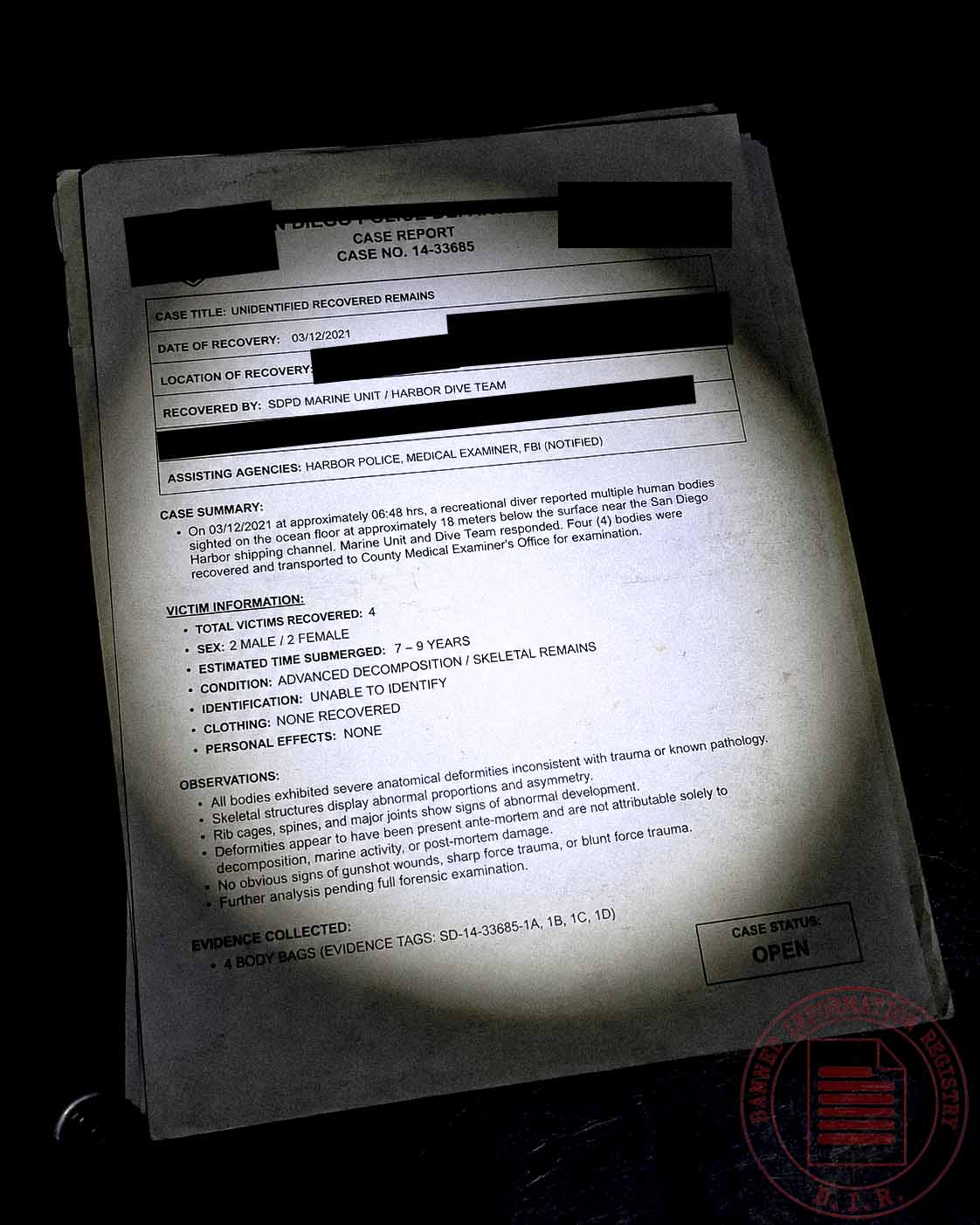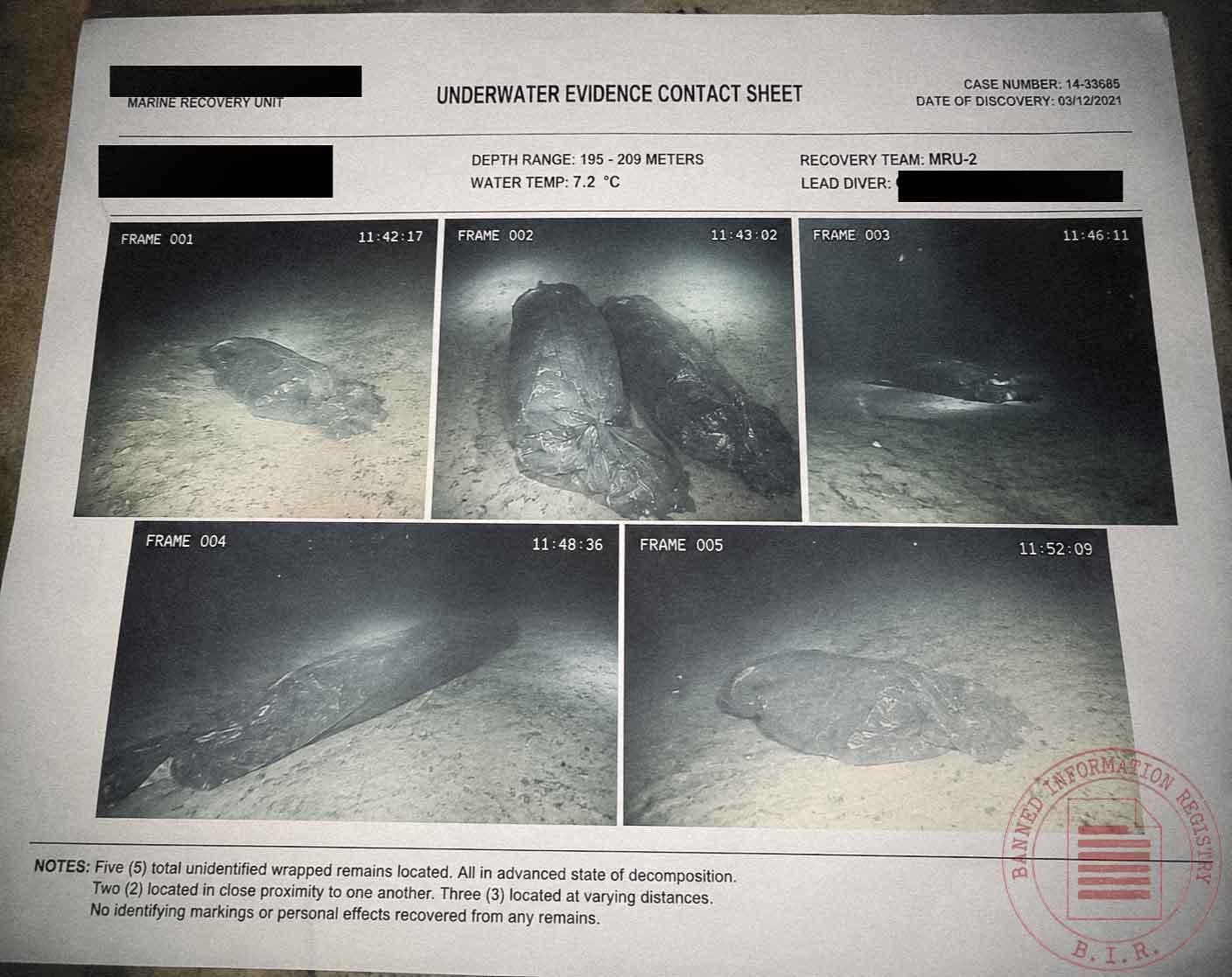
On March 2021, a recreational diver descended into the cold waters off San Diego Harbor expecting nothing more than the usual wreckage. At approximately 06:48 hours on March 12th, roughly eighteen meters down near the shipping channel, that routine dive became something else entirely.
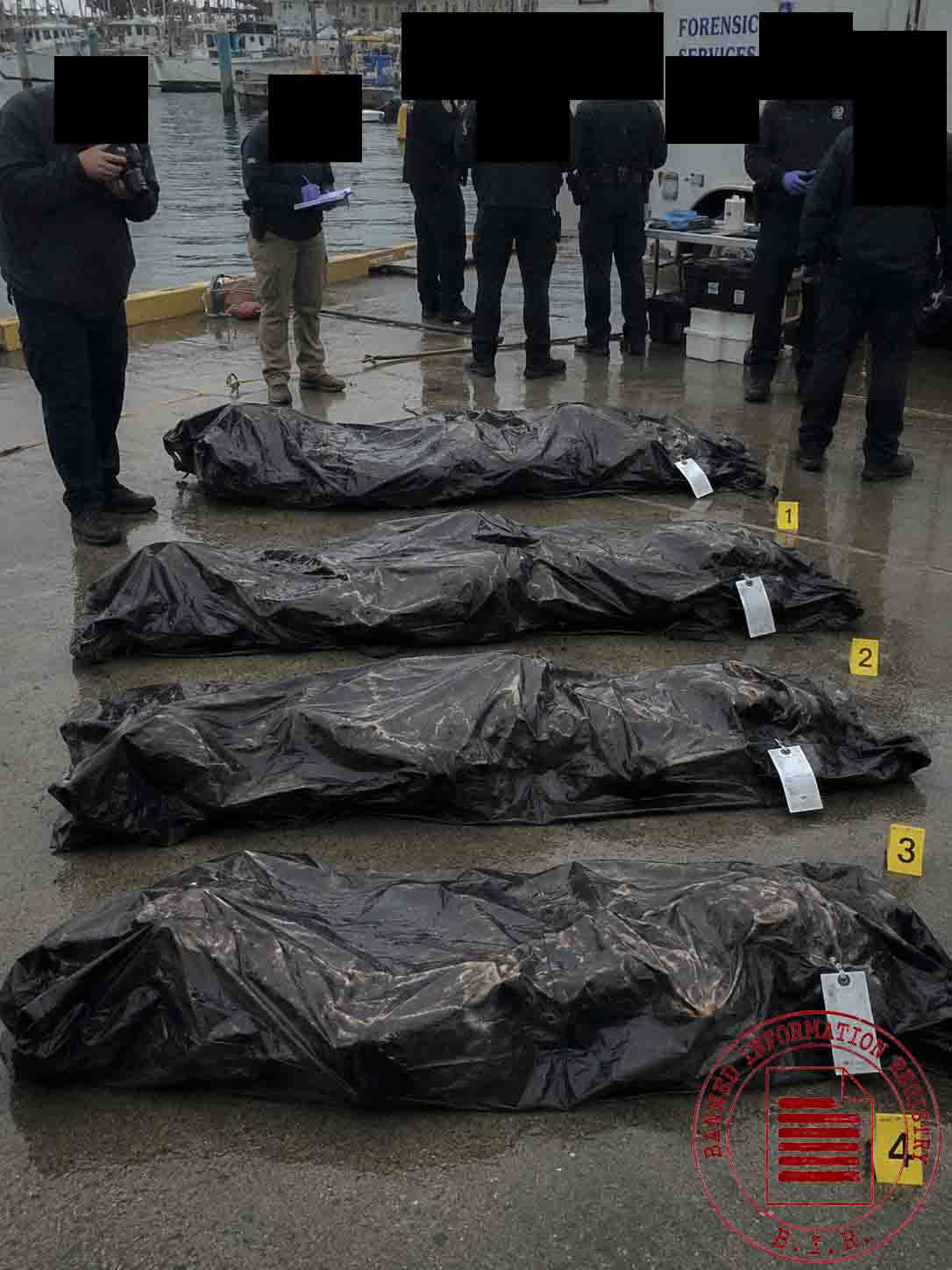
What the diver found were four industrial-grade body bags resting on the seafloor, sealed and heavy, their contents obscured by murk and years of submersion. Something about them felt wrong. The diver surfaced and called 911.
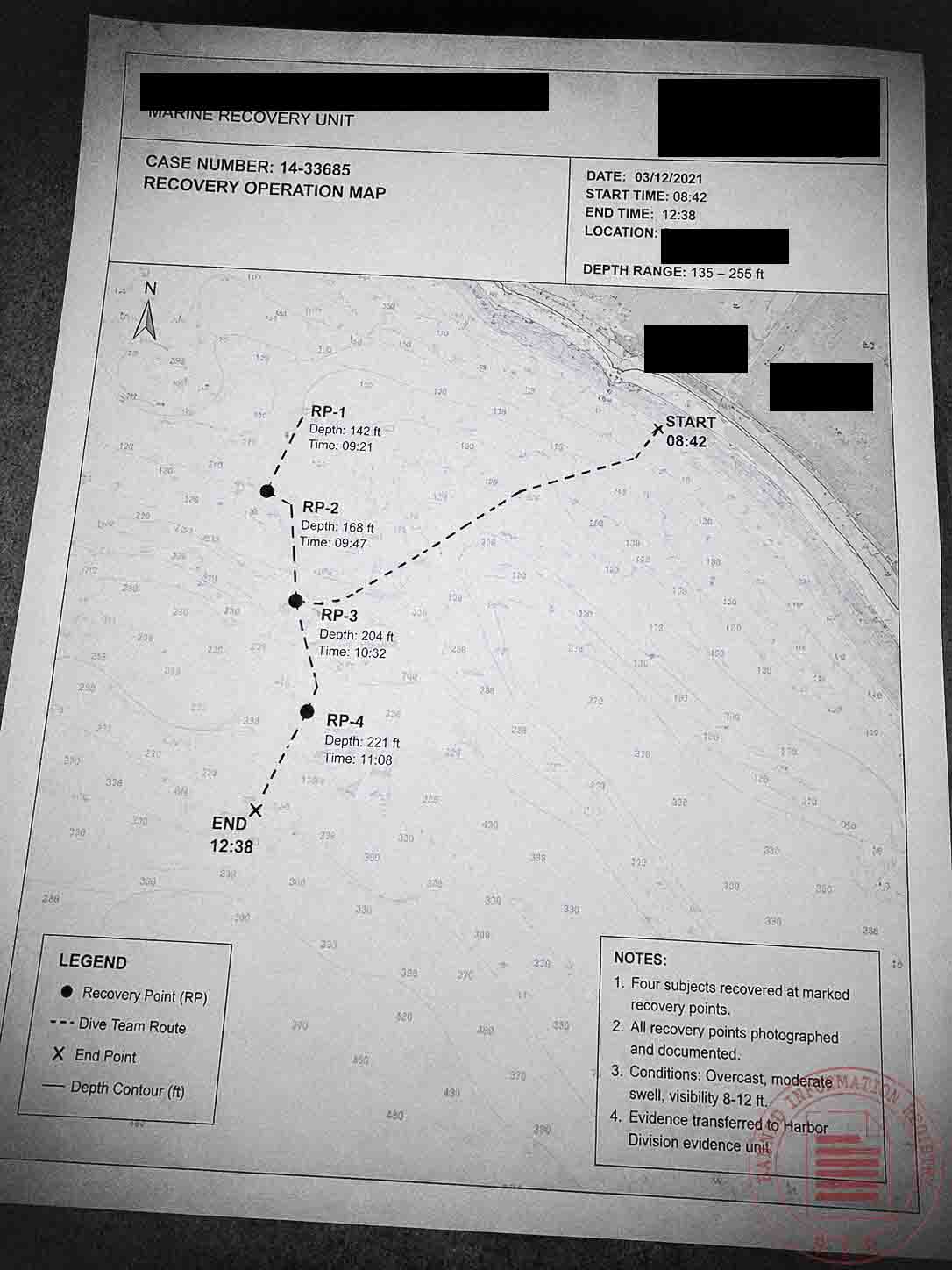
The San Diego Police Department's Marine Recovery Unit mobilized within hours. By 08:42, divers had begun the slow work of retrieval, in water hovering near 7.2 degrees Celsius with visibility no better than eight to twelve feet. By 12:38, all four bags had been brought up and transported to the County Medical Examiner's Office.
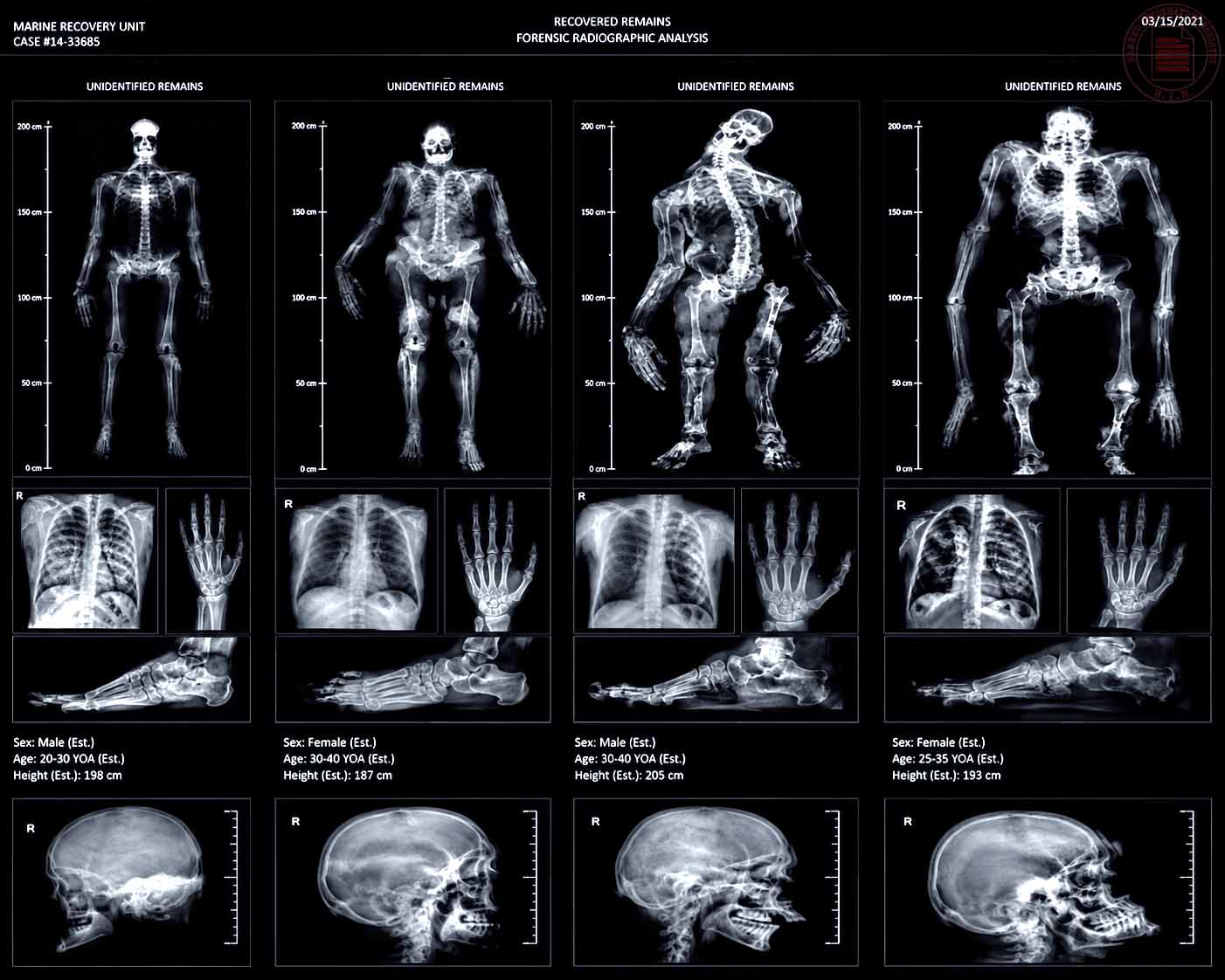
When the bags were opened, forensic technicians were struck first by the advanced state of decomposition — skeletal analysis suggested seven to nine years' submersion — and then by the bodies themselves. Two adult males, two adult females, each between 187 and 205 centimeters tall. Far beyond normal human proportion.
The height was not the alarming part. The skeletons were wrong in ways that resisted ordinary explanation — not malformed as by congenital defect, but altered as if to a blueprint nature never intended. Rib cages were collapsed and asymmetrical. Vertebral columns carried abnormal segments. Joints sat at angles that would have meant constant pain in life. Long bones were hypertrophied past anything gigantism could produce; shoulder blades bore attachment points for musculature no human body was built to carry. Finger bones in all four specimens were elongated into something grotesque. This wasn't disease. It looked like design.
The FBI was notified within days.
On March 15th, the remains went to the Northern Frontier Research Institute, where biochemist Virology Dr. Kate Markus began a radiographic examination that only deepened the wrongness. One male, twenty to thirty, had a spine showing fusion anomalies consistent with either severe trauma or deliberate alteration during development, his femurs and humerus grotesquely thickened. A female, thirty to forty, had bilateral shoulder dislocation, a jutting underbite, and every digit on both hands and feet stretched to disfiguring length; her spine suggested muscular breakdown from demands her body was never meant to meet. A second male showed a partially collapsed rib cage and cervical vertebrae stressed as if by enormous, sustained pressure, his legs uneven and apparently remodeled by trauma or intervention. The second female bore surgical scarring on her sternum and rib fractures in various stages of healing — evidence of repeated trauma survived before whatever ultimately killed her.
Dr. Markus's hypothesis hardened with each finding: this was not congenital, not accidental. Someone had taken human beings and systematically remade them into something else.
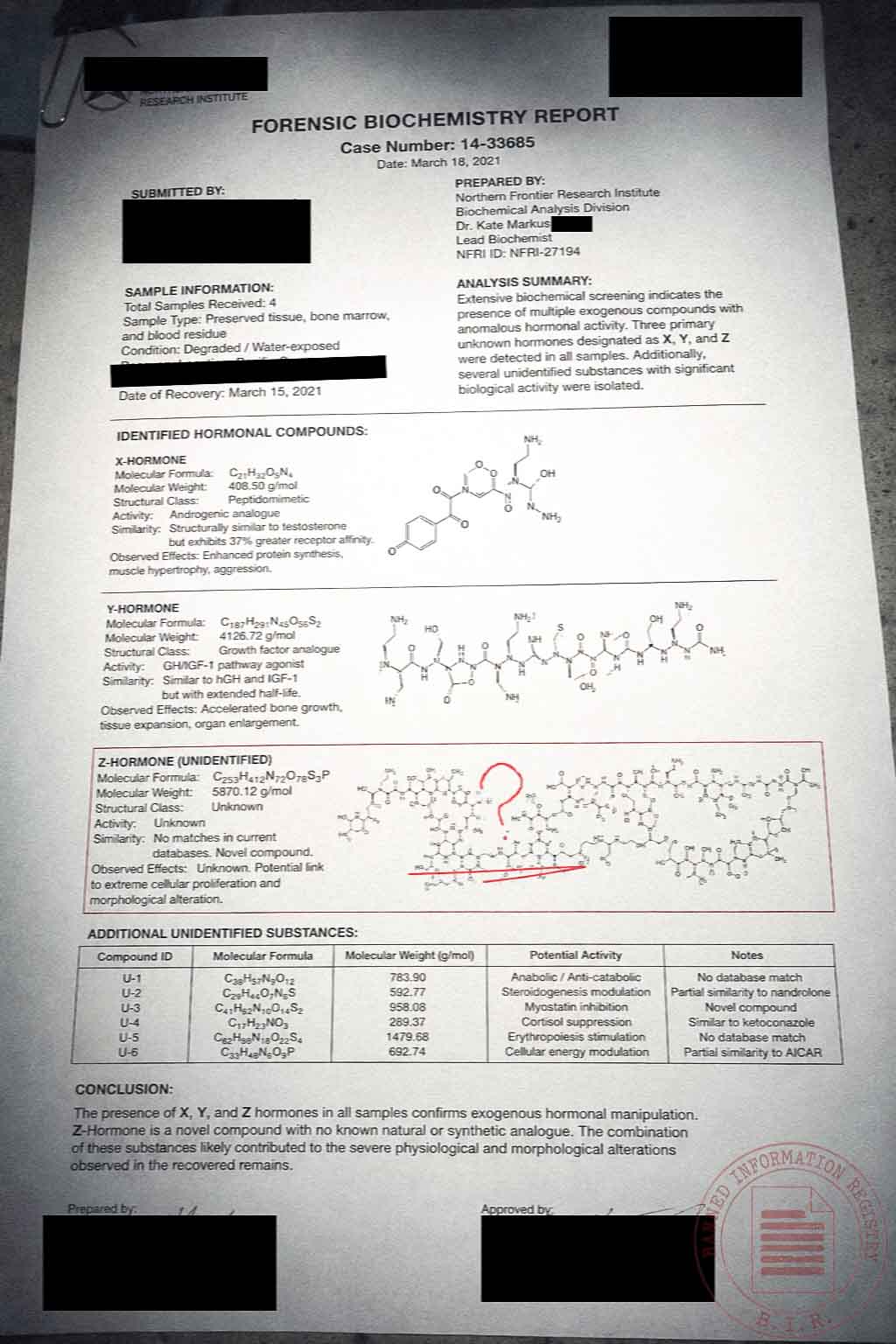
The toxicology, begun March 18th, was worse. Three organic compounds turned up in all four bodies, matching nothing in any pharmaceutical or scientific database — provisionally named Substance X, Y, and Z.
X was an androgenic analogue, structurally close to testosterone but engineered for far greater receptor affinity — a compound built to force muscle and bone growth at almost any physiological cost, alongside heightened aggression.
Y was a growth-factor analogue working through the same pathway as growth hormone and IGF-1, driving uncontrolled skeletal expansion and organ enlargement — the biochemistry of induced gigantism, sustained in these subjects for years.
Z was the one that stopped the research team cold. Its structure existed nowhere in the literature, entirely unlike anything legitimately synthesized. What Dr. Markus's team found, in comparative analysis, was that Z functioned — not genetically, but mechanistically — the way rabies proteins do: crossing the blood-brain barrier, binding to neural receptors, triggering aggression, suppressing fear and pain, and degrading the synaptic structures responsible for higher cognitive control.
Someone appeared to have engineered a way to produce the behavioral signature of rabies without the virus itself — building, in effect, subjects with immense size and strength and a brain chemistry stripped of the machinery to inhibit violence. This was Project Chimera.
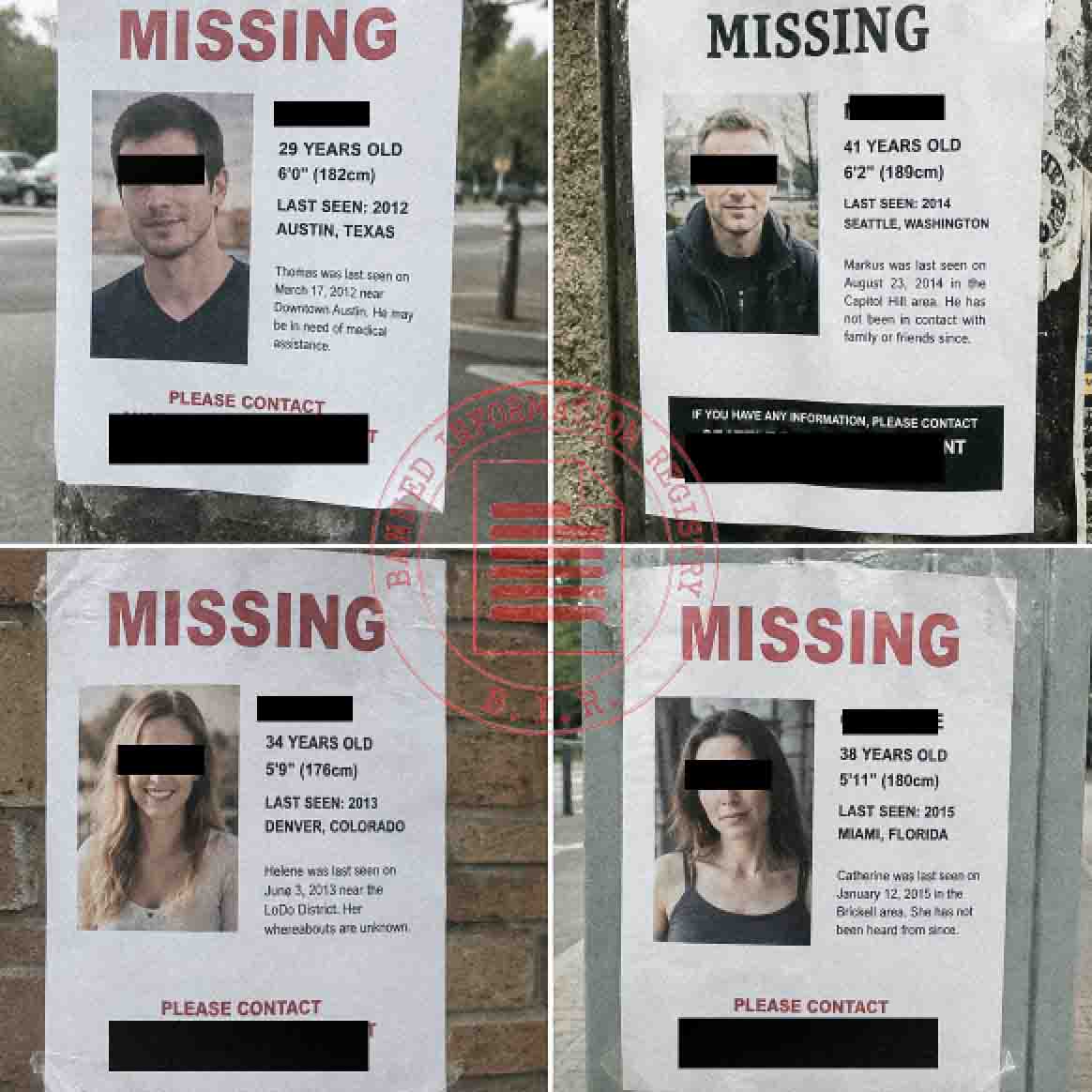
Special Agent Michael Torres, fifteen years in the Bureau, took the case when the FBI assumed jurisdiction in mid-March. By March 27th, his team had cross-referenced the physical profiles against missing persons records and surfaced four likely matches spanning three years and four states: Thomas Matthews, twenty-nine, vanished from Austin in March 2012; Marcus Henrik, forty-one, a construction worker missing from Seattle since August 2014; Helena Rodriguez, thirty-four, gone from Denver in June 2013; and Catherine Walsh, thirty-eight, a biotech research assistant who disappeared from Miami in January 2015 with no sign of struggle. Skeletal dimensions and dental patterns lined up closely enough to make the correlation nearly certain.
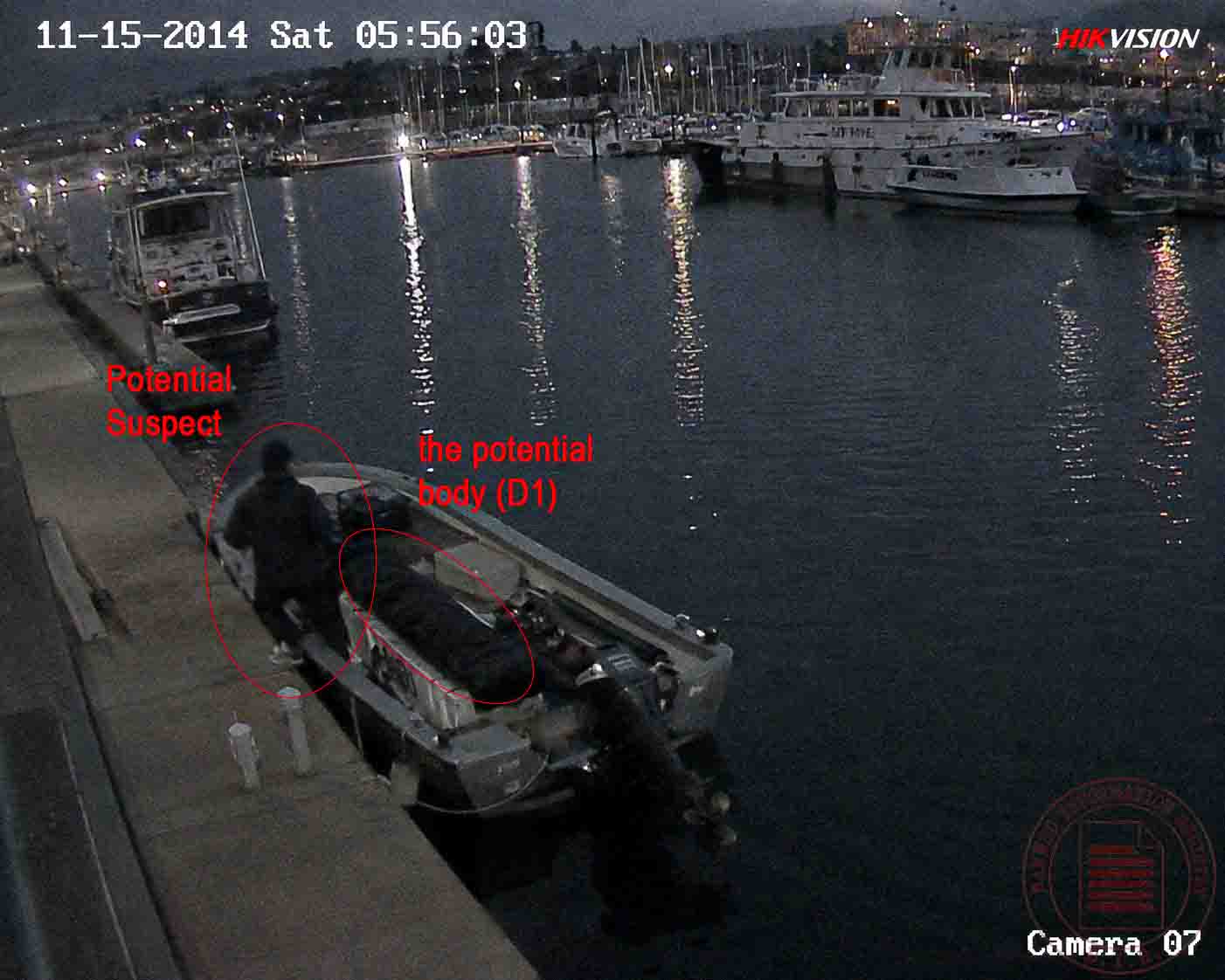
A lead seemed to open in late March, when harbor security footage from November 15th, 2014 showed a dark utility van parked in a restricted dock area and a figure — face obscured — unloading cargo containers with careful, deliberate movement over forty-three seconds before driving off. The partial plate matched 847 registered vehicles; facial recognition returned nothing. By April, the lead was exhausted.
Hope returned in mid-April, when anthropologists examining Specimen 3 found fragments of handwritten notes preserved in the remains' clothing — technical, precise, clearly the work of someone with scientific training. "Project Chimera," one fragment read. "Specimen 3 showing good progress. X and Y integration proceeding on schedule. Z-Hormone synthesis batch 7 ready for administration." Dates aligned with the disappearances. Chemical notation matched Dr. Markus's findings. One passage read: "Specimen 4 attempted to break containment. Increased sedation required. Behavioral control remains suboptimal." Handwriting analysis identified at least three distinct authors — this had been a team, not a single perpetrator.
By May the investigation had expanded to fifteen personnel, with subpoenas issued across research institutes and biotech firms in four states, and international liaison established through Interpol. In June, widening the search parameters turned up twelve additional missing-persons cases matching the pattern — twelve more people, potentially, subjected to the same program, their bodies never recovered.
Then the leads stopped. The handwriting matched no one in any database. No lab, no equipment, no chemical residue was ever found. The van was never located. Substance Z proved impossible to reverse-engineer even with full chemical specification — its estimated production cost ran into the millions per dose, requiring doctoral-level biochemistry and precursors no one could trace.
By August, three weeks had passed without a new lead. By late August, task force meetings had shifted from expansion to budget triage. On September 10th, 2021 — six months to the day after the bodies were found — leadership recommended downgrading Case 14-33685 to cold case status. On September 14th, it was official. The task force was disbanded.
The questions were never answered. Who ran Project Chimera, and toward what end. Whether any subject who "broke containment" was ever released rather than recovered. Whether the twelve uncorrelated disappearances were victims still unaccounted for. And whether, if four specimens survived years of this treatment, there is any reason to believe the work ever stopped — or that no one is out there still, carrying Substances X, Y, and Z, still wired by design toward violence. The file remains classified, filed away, waiting on evidence that may never come.
The Case went cold due to insufficient evidence. The B.I.R. will notify soon.